
Protein supply, resilience and control
Modern livestock production depends on globally traded protein commodities that deliver consistency, availability and competitive pricing. These inputs have supported productivity across British agriculture for decades.
However, reliance on a narrow range of imported protein sources leaves UK supply chains exposed to risks largely outside their control. Global commodity prices, currency movements, freight disruption, geopolitical events and changes in overseas production can all affect the availability and cost of a critical agricultural input.
Greater diversity reduces that exposure. Increasing the contribution from crops grown and processed in Britain creates another dependable source of nutrition and gives the feed industry more choice over where its protein comes from.
Globally traded proteins will continue to play an important role. The opportunity is to reduce the degree of dependence by developing complementary protein sources that can compete within modern livestock diets.
A more diverse protein supply also brings greater control over specification, traceability and environmental impact, including exposure to land use change and embedded feed emissions.
What homegrown pulses can contribute
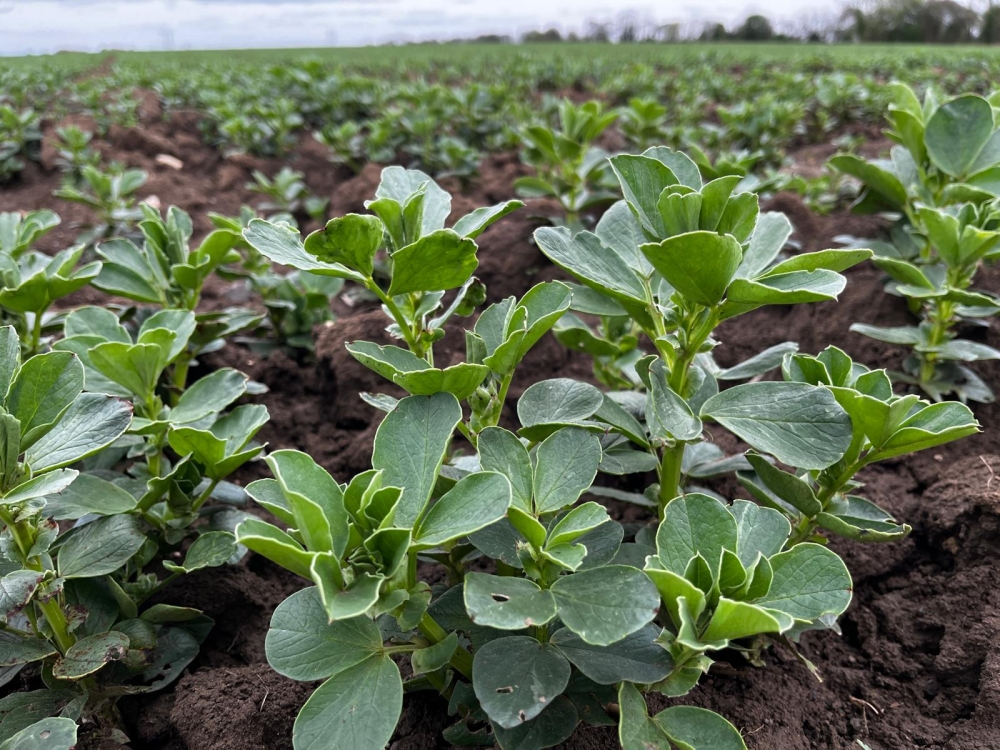
Britain already grows beans. They provide a homegrown source of protein with benefits that begin on the arable farm and continue through the livestock supply chain.
In arable rotations, pulses reduce reliance on synthetic nitrogen fertiliser, support soil health, protect water quality and contribute to biodiversity. They also provide farmers with a valuable break crop alongside cereals and oilseeds.
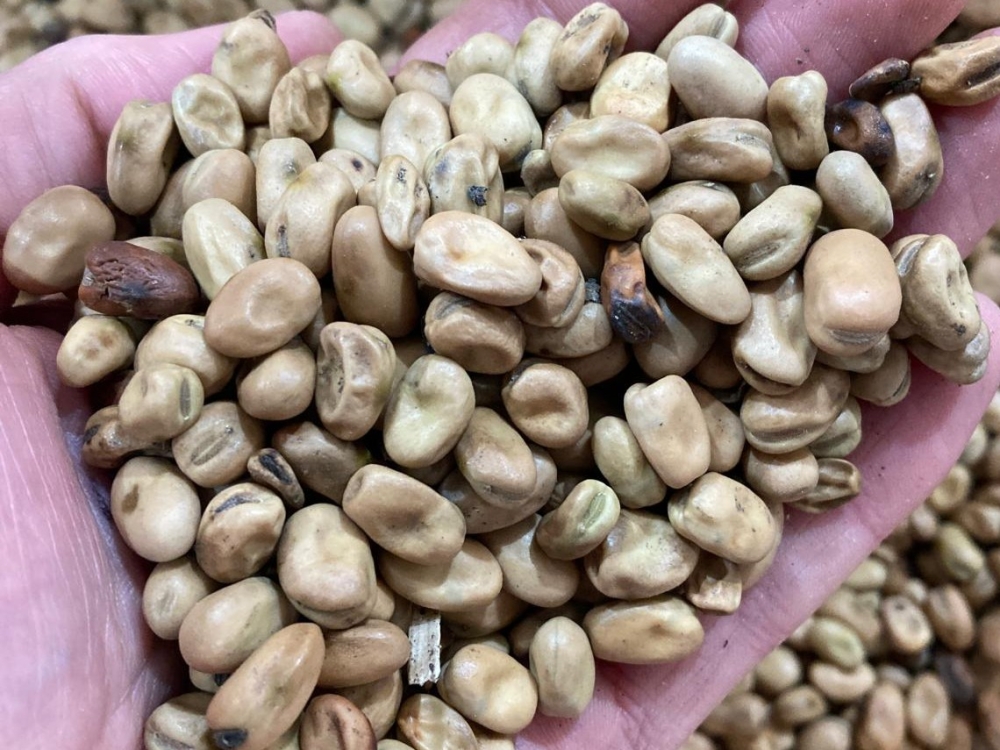
Their contribution can extend much further if more of the crop can be used effectively in animal feed. Processed appropriately, British beans can replace part of the imported soya bean meal used in livestock diets while maintaining animal performance.
That substitution can also reduce feed-related emissions. BritPulse research and commercial trials show that processed pulses can deliver measurable emissions reductions without compromising performance or welfare.
Used alongside established protein ingredients, homegrown pulses can strengthen feed security while creating a larger, more valuable market for British farmers.
Making Homegrown Protein Work at Scale
Growing more pulses alone will not create a resilient protein supply. The feed industry needs ingredients that are consistent, predictable and capable of performing within demanding commercial diets.
Raw pulses vary by variety, season and growing conditions. Without appropriate processing, specification and quality control, this variability limits inclusion levels and increases risk for feed formulators.
BritPulse addresses this challenge. By combining processing, standardisation and traceability, BritPulse feed ingredients are designed to reduce variability and make homegrown protein dependable within commercial feed systems.
This gives nutritionists and feed businesses greater confidence to use British-grown protein while maintaining the performance, consistency and reliability expected from established ingredients.
Processing connects British crop production with large-scale feed demand. It is what allows homegrown pulses to become a dependable part of a more resilient UK protein supply.
What BritPulse Makes Possible
A More Resilient Protein Supply
Livestock production depends on a secure and dependable supply of feed. BritPulse increases the contribution British agriculture can make to that supply by turning homegrown crops into consistent, commercially useful protein ingredients.
Increasing domestic production and processing gives the UK more choice over where its feed protein comes from. It reduces dependence on a narrow range of imported sources and exposure to global price volatility, trade disruption and climate-related risk.
A traceable domestic supply chain also gives feed businesses, retailers and foodservice operators greater confidence in provenance, compliance and assurance.
By strengthening resilience at feed level, BritPulse supports the resilience of British livestock production and the wider UK food system.
Lower Feed Emissions
When incorporated into livestock diets, BritPulse feed ingredients can deliver measurable reductions in feed-related emissions while maintaining animal performance and welfare.
Beans also bring benefits at farm level. As nitrogen-fixing crops they reduce reliance on synthetic nitrogen fertiliser and can contribute to healthier soils, cleaner water and more diverse arable rotations.
For businesses working to reduce Scope 3 emissions, this provides a practical route to action within existing livestock production systems. Feed ingredients with verified emissions benefits can reduce the footprint of the food being produced without requiring fundamental changes to the production system.
Building Britain’s Protein Capacity
Britain has the farmers, land and livestock demand to support a larger homegrown protein industry. What has been missing is the connection between them: processing capacity capable of turning British crops into ingredients the feed industry can use consistently and at scale.
BritPulse is building that connection. As demand grows, more British beans can be contracted from farmers, more domestic processing capacity can be developed and a greater share of the protein used in livestock production can come from within the UK.
The ambition is not protein self-sufficiency. It is a stronger balance between domestic and imported supply, giving British agriculture more options and reducing dependence on any single source of protein. That creates value for British farmers, strengthens feed security and reduces emissions within livestock supply chains.
Talk to Us
If you would like to explore how FabaPro™ can be used in your feed formulations we would be happy to talk.